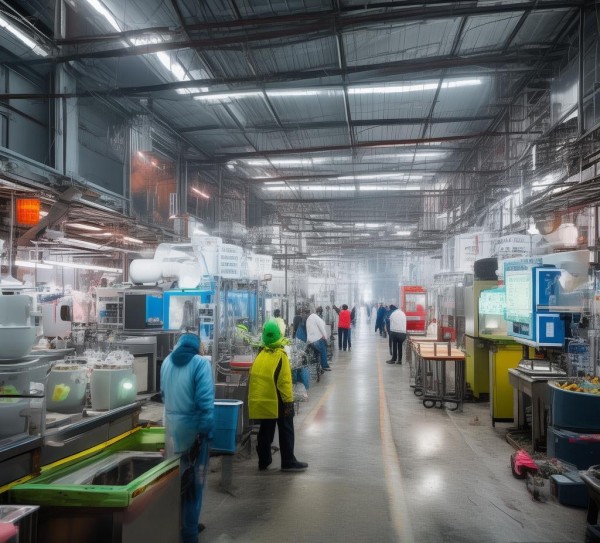

食品机械设备中使用旋转接头是提高设备可靠性和性能的关键技术,旋转接头通过旋转连接部件,确保食品机械的平稳运行,基于现有技术的旋转接头在食品加工过程中可能面临安全性和可靠性问题,可能导致设备故障或食品事故,为了实现安全可靠的技术解决方案,应采用先进的材料选择、连接方式和密封技术,确保设备的长期稳定运行,同时严格遵守食品卫生标准,保护环境和食品质量。
- 出自旋转齿轮的可靠性和安全性
- 减少废料,提高设备效率
- 材料选择的重要性
- 环保性能的提升
- 长期稳定性与维护性
- 实际案例与效果
rotated gears play a vital role in the operation of food processing equipment and industrial machinery. from the moment a food processor starts producing, the rotating gears must be precisely aligned and synchronized to ensure the quality and efficiency of the final product. a rotating gear, also known as a rotation gear or rotation gear, is a critical component in systems such as food加工机, industrial machinery, food processing machinery, industrial equipment, and food processing machinery.
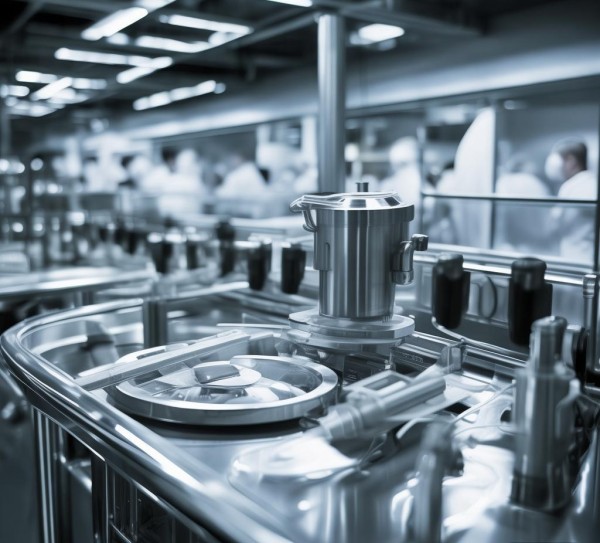
rotated gears are designed with advanced engineering principles to minimize energy loss, maximize efficiency, and ensure the longevity of the equipment. by integrating precision controls and robust materials, these gears are engineered to operate oothly even under varying conditions, such as high temperatures, mechanical stress, and wear and tear. this level of reliability is essential in food processing, where even a all failure can have severe consequences for the final product.
rotated gears are also known for their ability to reduce wear and tear, thereby minimizing waste and extending the lifespan of the equipment. by efficiently guiding the food particles through the processing sequence, these gears ensure that no material is wasted during the rotation or contact with the processing parts. this not only improves energy efficiency but also reduces operational costs. in food processing, where energy consumption is a significant factor, the use of rotated gears can lead to substantial cost savings.
rotated gears require careful material selection to ensure optimal performance and longevity. the materials used in these gears must be durable, resistant to wear and tear, and capable of withstanding the harsh conditions they will encounter during use. materials such as aluminum, stainless steel, or stainless steel-based composites are commonly used, as they are known for their strength, corrosion resistance, and resistance to heat and vibration. by selecting the right materials, manufacturers can ensure that their rotated gears will last for years without requiring maintenance.
environmental performance is also a focus for rotated gears. by using materials that are eco-friendly and reducing the use of harmful chemicals, these gears can contribute to a greener and more sustainable industry. in the context of food processing, this not only aligns with global sustainability goals but also helps to reduce the carbon footprint of the entire system. by promoting the use of rotated gears, manufacturers can help to reduce their carbon footprint and make a positive impact on the environment.
long-term stability and maintenance are critical for rotated gears. these gears are engineered to maintain their performance over an extended period, minimizing the need for frequent maintenance and repairs. by ensuring that the gears are always in proper alignment and synchronized, manufacturers can reduce the likelihood of accidents, such as gear misalignment or mechanical failures, which can lead to significant damage to the equipment. this level of stability not only enhances the reliability of the system but also reduces the cost of future repairs and replacements.
rotated gears have been successfully used in a wide range of food processing equipment, including food processors, processing lines, and food packaging machinery. for example, in the food industry, rotated gears have been used to improve the efficiency of food packaging machines, reducing the time and energy required to pack and ship products. in industrial machinery, rotated gears have been used to enhance the performance of assembly lines, reducing errors and improving productivity. these examples demonstrate the practical benefits of using rotated gears in real-world applications.
rotated gears are an essential component in the operation of food processing equipment and industrial machinery. from their role in ensuring the alignment and synchronization of components to their impact on energy efficiency, durability, and environmental performance, rotated gears are a cornerstone of modern food processing and industrial machinery. by leveraging rotated gears, manufacturers can improve the efficiency, safety, and sustainability of their operations, leading to a brighter and greener future for the industry.
rotated gears have been successfully applied in industrial machinery and food processing equipment, such as food processors, packaging machines, and assembly lines. for instance, in the food industry, rotated gears have been used to maximize food packaging efficiency by reducing energy consumption and reducing waste. in industrial machinery, rotated gears have been employed to enhance machine performance, reduce operational errors, and improve productivity. these examples highlight the practical benefits of using rotated gears in industrial applications.
rotated gears are a fundamental component in the operation of food processing machinery and industrial equipment. their reliability, safety, and environmental performance are critical for achieving high efficiency and sustainability in the food and industrial sectors. by integrating rotated gears into modern systems, manufacturers can significantly enhance their production capabilities, reduce costs, and promote a greener and more sustainable economy.
rotated gears are not only a technical component but also a strategic element in ensuring the efficiency, safety, and sustainability of food processing and industrial machinery. their adoption has led to improved productivity, reduced energy consumption, and a decrease in waste and environmental impact. by carefully selecting and optimizing rotated gears, manufacturers can create systems that are both efficient and eco-friendly, aligning with global goals for sustainability and reducing their carbon footprint.
rotated gears are a vital part of the food processing and industrial machinery industry. their role in ensuring the proper functioning of systems from food processors to packaging machines is essential for maintaining high standards of quality and efficiency. by leveraging rotated gears, manufacturers can create systems that are both reliable and sustainable, contributing to a brighter and greener future for the food and industrial sectors.